

Effective Digital Marketing Strategy for Business Growth
Every business needs a strong digital marketing plan. A good strategy helps you reach more customers and grow your business. In this guide, we'll show you how to create a simple but effective digital marketing strategy.
Why You Need a Digital Marketing Strategy
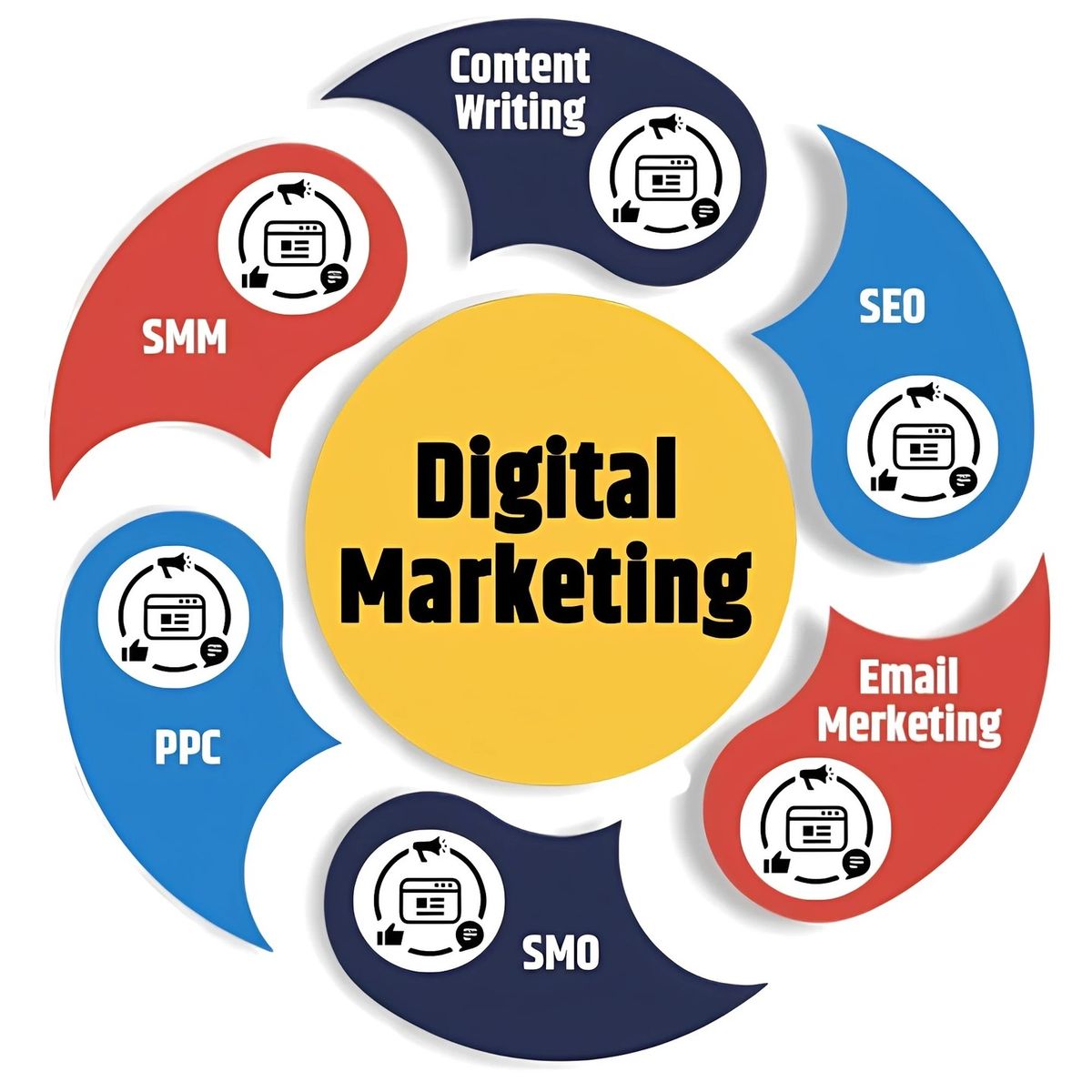
A clear digital marketing strategy drives business growth
How to Build a Digital Marketing Strategy That Actually Grows Your Business (2026)
Short answer: A digital marketing strategy is a simple, written plan that defines your goals, your audience, the channels you will use, the content you will create, and how you will measure results. Businesses that document their strategy consistently tend to outperform those that market by guesswork, because a plan focuses effort, budget, and attention on what actually works. Here is how to build one, step by step.
Why You Need a Digital Marketing Strategy
Without a plan, marketing effort tends to scatter across channels with no way to tell what is working. A clear strategy gives you focus and control. It helps you concentrate on the activities that matter most, spend your budget where it earns a return, reach the right audience instead of everyone, measure results honestly, and save time by not chasing tactics that do not fit your business.
Businesses that write their strategy down consistently report stronger results than those that keep it in their heads. A documented plan is easier to follow, easier to review, and easier to improve.
Five Steps to Build Your Strategy
Step 1: Set Clear Goals
Start by deciding what you want to achieve, in specific and measurable terms. Vague goals cannot be tracked. Strong examples: acquire a set number of new customers within a quarter, increase website traffic by a defined percentage, or grow your email list to a target number of subscribers. Clear targets are what let you judge progress later.
Step 2: Know Your Audience
Understand who your customers are and build simple profiles of them. Ask who your ideal customers are, what problems they are trying to solve, and where they spend time online. The better you understand their needs and habits, the more precisely you can target your message and choose your channels.
Step 3: Choose Your Channels
Pick the platforms where your audience actually spends time, and focus on two or three at first rather than spreading thin. Common options and what they are best for: paid search for immediate visibility, social media for building community, email for customer retention, and SEO for durable long term growth. Match the channel to the goal.
Step 4: Create Your Content
Develop content that genuinely helps your audience, and keep it clear and useful. Blog posts that answer common customer questions, short videos that show how to use your product, and social posts that spark engagement all work. Useful content earns attention, shares, and links, which feed both your rankings and your visibility in AI answers.
Step 5: Measure and Adjust
Track your results with tools like Google Analytics and Google Search Console, then refine based on what you learn. Watch where your visitors come from, your conversion rates, and your return on investment. A strategy is a loop: measure, learn, adjust, repeat. The plans that succeed are the ones their owners keep improving.
Optimize for AI Answers, Not Just Search Rankings
In 2026, a growing share of searches are answered inside AI Overviews, ChatGPT, and Perplexity, often without a click. A modern strategy plans for this. Lead your content with clear, self contained answers, use question based headings, keep paragraphs and lists clean so AI can extract them, and add FAQ schema. The same clarity that helps customers helps AI systems quote you, which extends your reach beyond traditional search.
Common Mistakes to Avoid
No clear goals: without targets, you cannot measure success or know what to improve.
Trying to do everything: focus on the few channels that work for your business rather than spreading effort thin.
Ignoring data: let analytics guide decisions instead of assumptions.
Forgetting mobile users: most web traffic comes from phones, so mobile experience is not optional.
Not testing: keep testing different approaches, since small improvements compound over time.
Skipping AI visibility: a plan that ignores AI answer platforms leaves reach on the table in 2026.
Frequently Asked Questions
What is a digital marketing strategy? It is a written plan that defines your goals, target audience, marketing channels, content, and how you will measure results. It turns scattered activity into a focused, trackable system, so your budget and effort go toward what actually grows the business.
How do I start a digital marketing strategy from scratch? Begin with clear, measurable goals, then define your audience, choose two or three channels that reach them, plan useful content, and set up tracking. Starting small and focused beats trying to do everything at once, and you expand as you learn what works.
Which digital marketing channels should I focus on first? Choose based on where your audience spends time and what you want to achieve. Paid search suits immediate visibility, SEO suits long term growth, email suits retention, and social suits community. Focusing on two or three at first is more effective than spreading thin.
How do I measure if my strategy is working? Track website traffic and its sources, conversion rates, and return on investment using Google Analytics and Google Search Console. Compare results against the specific goals you set, and adjust the plan based on what the data shows.
How long before a digital marketing strategy shows results? Paid channels can produce traffic quickly, while SEO and content typically show meaningful results over three to six months and compound from there. Consistency and regular review matter more than expecting instant returns.
How is digital marketing strategy changing in 2026? The biggest shift is AI answer platforms. Strategies now plan for visibility inside AI Overviews, ChatGPT, and Perplexity, not just traditional rankings, which means structuring content to be quoted and prioritizing trust and clarity.
A good digital marketing strategy does not need to be complicated. Set clear goals, understand your audience, choose the right channels, create useful content, and measure as you go, while building for both search engines and AI platforms. If you would like help putting a plan together, contact Noble Digital and we will help you build one that fits your business.
